SSM Smart Square: All About the Healthcare Scheduling System and Its Features

Managing healthcare staff is a complicated task. Hospitals and medical facilities need the right number of employees working at the right time, while also handling changing patient demand, employee availability, shift coverage, and time-off requests. Traditional spreadsheets and manual scheduling can make this process slow and difficult.
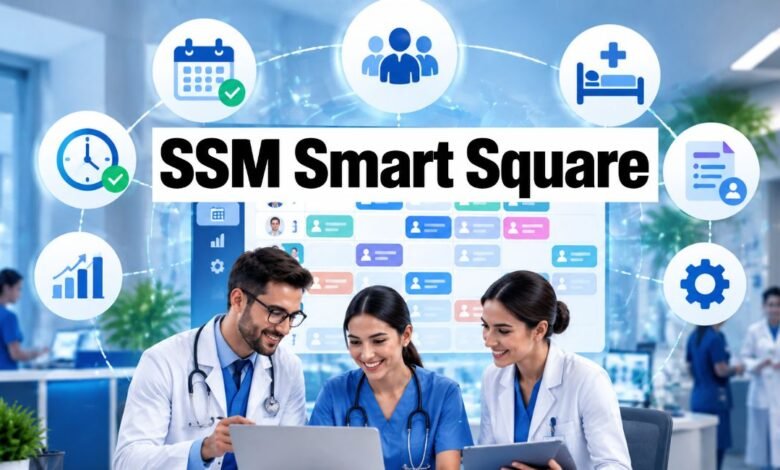
SSM Smart Square is designed to make healthcare workforce scheduling more organized and efficient. The platform supports staff scheduling, self-scheduling, open-shift management, workforce forecasting, and other tools that help healthcare organizations manage their teams more effectively. SSM Health has used Smart Square within its employee scheduling environment, while the platform is now part of symplr’s healthcare workforce technology portfolio.
This guide explains what SSM Smart Square is, who uses it, its main features, and why digital workforce scheduling has become so important in modern healthcare.
Quick Information About SSM Smart Square
| Feature | Details |
|---|---|
| Platform | Smart Square |
| Main Purpose | Healthcare workforce scheduling |
| Used By | Healthcare organizations and staff |
| SSM Health Use | Employee and manager scheduling |
| Current Owner | symplr |
| Main Features | Scheduling, self-scheduling, open shifts, forecasting, analytics |
| Scheduling Approach | Data-driven and predictive |
| Industry | Healthcare |
What Is SSM Smart Square?
SSM Smart Square is a healthcare workforce scheduling platform used to help organize employee schedules and staffing requirements. Rather than relying entirely on manual scheduling, the system brings important workforce information into a centralized digital environment.
SSM Health training material identifies Smart Square as a self-scheduling tool used by employees and managers. Depending on their role, employees can use the system to view schedules, pick up shifts, and manage PTO-related scheduling.
The broader Smart Square platform is designed specifically around the challenges faced by healthcare organizations. Hospitals may need to manage large teams working around the clock, so having a system that connects scheduling and staffing information can be valuable.
Who Uses SSM Smart Square?
SSM Smart Square can be useful for different types of healthcare employees and management teams.
Employees may use the system to check their schedules, participate in self-scheduling, and look for available shifts when those options are enabled by their department. Managers and scheduling teams can use more advanced tools to organize coverage, review staffing requirements, and respond to workforce changes.
The exact features available can vary depending on an organization’s setup and the user’s role. This means two employees may not necessarily see identical options when they access the system.
For large healthcare organizations, centralized scheduling can make it easier to coordinate staffing across departments and facilities. symplr says Smart Square provides an enterprise-wide view that helps organizations deploy resources and improve workforce utilization.
READ THIS TOO: Zosqk Explained: A Complete Guide to ZOSQK Studio and Its Services
Key Features of SSM Smart Square
Predictive Scheduling
One of the most notable features of SSM Smart Square is predictive scheduling.
Healthcare staffing needs can change significantly from one day to another. Smart Square uses predictive analytics to help organizations estimate future demand and prepare schedules ahead of time. symplr states that its predictive scheduling technology can forecast patient volume and staffing needs up to 120 days in advance, with its stated model reaching up to 96% accuracy.
This type of forecasting allows managers to plan earlier instead of reacting only when staffing gaps appear. It can also help organizations think more carefully about workforce allocation, overtime, and coverage requirements.
Employee Self-Scheduling
Self-scheduling gives employees a greater role in managing their work schedules.
SSM Health documentation describes Smart Square as a self-scheduling system for employees and managers. Employees can use the platform to view schedules, pick up shifts, and manage PTO scheduling within the system.
Self-scheduling does not mean employees can select any shift without limitations. Staffing requirements, workplace policies, qualifications, and department rules still apply. Instead, the feature provides a more convenient way to participate in the scheduling process.
Open Shift Management
Unfilled shifts can create challenges for hospital managers. Smart Square includes open-shift management tools designed to help organizations communicate available shifts and fill staffing gaps.
According to symplr, the platform can automate shift communication and bidding and is designed to help fill open hours earlier. Its product information says organizations can fill up to 75% of open hours early under its stated solution capabilities.
For employees, this can make available work easier to discover. For managers, it can reduce the amount of manual effort required to find coverage.
Workforce Visibility
Another important feature is centralized workforce visibility.
Large healthcare systems can have multiple departments, locations, and staffing pools. Smart Square gives leaders a broader picture of staffing, utilization, and workforce requirements across the organization.
This visibility can help managers identify gaps and consider available internal resources when making staffing decisions. symplr describes Smart Square as supporting enterprise-wide workforce deployment and centralized staffing views.
Analytics and Reporting
Scheduling data can also provide useful information for long-term workforce planning.
Smart Square includes reporting and productivity analytics that can help healthcare leaders monitor staffing performance and evaluate workforce models.
Instead of looking only at one week’s schedule, managers can use workforce information to identify patterns and make more informed operational decisions.
On-Call and Rapid Shift Management
Healthcare organizations sometimes need to respond to staffing needs at short notice. Smart Square includes tools for on-call scheduling and rapid shift recruitment.
symplr says the platform supports scheduled on-call needs and rapid notifications for last-minute openings.
These capabilities can be particularly useful in fast-moving healthcare environments where staffing requirements may change unexpectedly.
Why Is SSM Smart Square Important for Healthcare?
Healthcare scheduling is more complicated than simply assigning employees to a calendar. Facilities may operate continuously and must consider patient demand, staffing levels, employee availability, and required coverage.
This is why workforce technology matters.
SSM Smart Square brings scheduling and workforce planning into a more structured environment. Predictive tools can help managers look ahead, while self-scheduling and open-shift features can give employees more visibility into available work.
The broader goal is to make staffing decisions more proactive and reduce the administrative burden associated with manual scheduling.
SSM Smart Square and PTO
Time-off management is another important part of workforce scheduling.
SSM Health’s employee information explains that eligible employees accrue paid time off, while scheduled time away generally needs to be requested in advance and approved according to workplace requirements.
Where Smart Square is used for scheduling, employees may interact with PTO scheduling through the platform. However, the approval process and applicable rules can depend on the employee’s department and SSM Health policy.
This is one reason employees should always follow their current internal scheduling instructions instead of relying on an old online guide.
Is SSM Smart Square Still Current?
Yes. Smart Square remains an active healthcare workforce scheduling platform.
An important update is that Smart Square is no longer owned by AMN Healthcare. symplr announced its acquisition of the Smart Square scheduling solution from AMN Healthcare in 2025 and now markets the platform as part of its healthcare workforce technology offerings.
Because of this ownership change, some older online articles may contain outdated information about the platform.
READ THIS TOO: Zosqk Explained: A Complete Guide to ZOSQK Studio and Its Services
Final Thoughts
SSM Smart Square is an important workforce scheduling solution for healthcare environments where staffing needs can change quickly. Its combination of predictive scheduling, self-scheduling, open-shift management, workforce visibility, and reporting gives organizations tools to manage staffing in a more structured way.
For employees, the platform can make it easier to view schedules and participate in available scheduling processes. For managers, it can provide better visibility and planning capabilities across departments and facilities.
As healthcare organizations continue adopting digital workforce tools, platforms such as Smart Square are becoming an increasingly important part of modern staff scheduling and workforce management.
FAQs About SSM Smart Square
What is SSM Smart Square used for?
SSM Smart Square is used for healthcare workforce scheduling and related staffing activities, including self-scheduling, open-shift management, workforce forecasting, and analytics.
Can employees view their schedules in Smart Square?
Yes. SSM Health’s Smart Square training information identifies schedule viewing as one of the functions available to employees using the platform.
Does Smart Square support self-scheduling?
Yes. Self-scheduling is one of the platform’s core capabilities, and SSM Health documentation specifically identifies Smart Square as a self-scheduling tool for employees and managers.
Can employees pick up open shifts?
Smart Square supports open-shift management, and SSM Health’s training information states that employees can pick up shifts through the system.
How far ahead can Smart Square forecast staffing needs?
symplr says its predictive scheduling technology can forecast staffing needs up to 120 days in advance, with up to 96% accuracy under its stated model.
Who owns Smart Square now?
Smart Square is currently part of symplr. The company acquired the solution from AMN Healthcare in 2025.